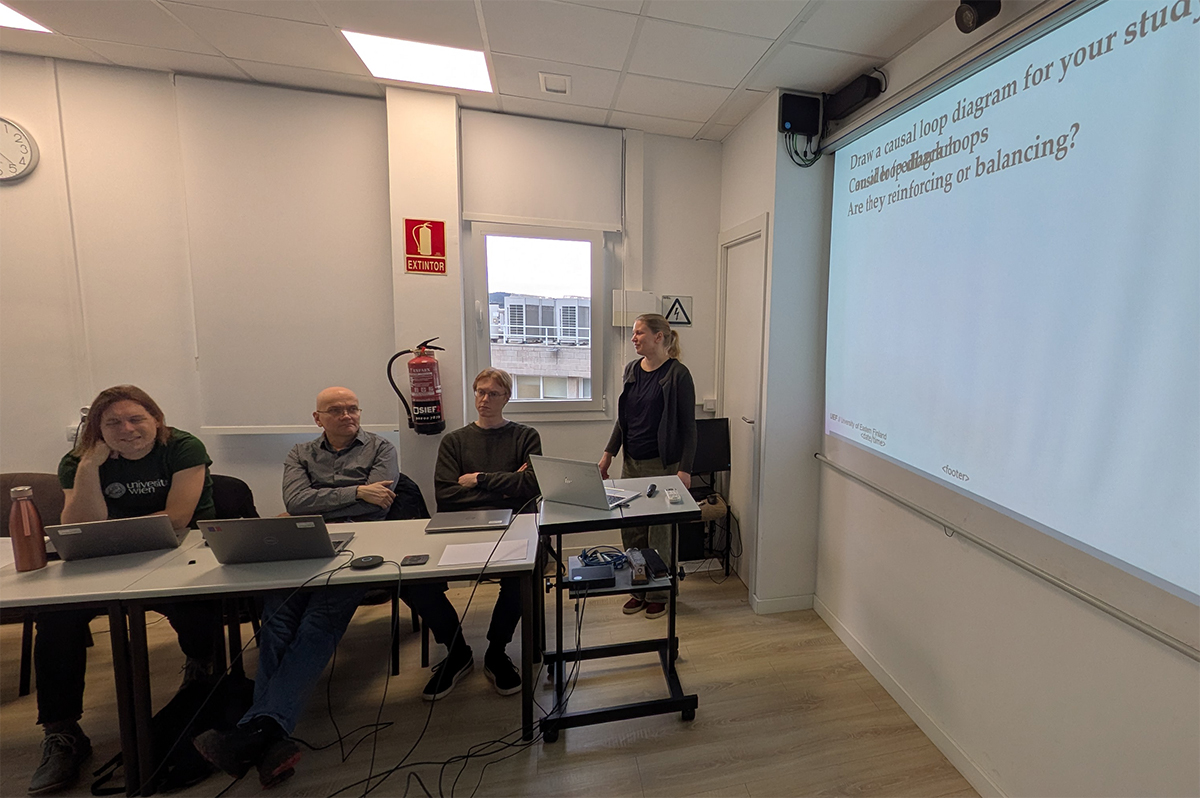
Ecosystem services (ES) provide a common language for valuing natural processes and functions. In SERVICO2, perspectives from biogeochemistry and social and environmental sciences are combined to shed light on the lesser-known ecosystem services provided by headwater catchments, which play a vital role in landscape functioning. Particular emphasis is placed on the regulation of CO₂ fluxes and other greenhouse gases by these systems. To frame these processes within an ecosystem services perspective, the project will adopt the Common International Classification of Ecosystem Services (CICES). Participants were introduced to the CICES framework through a collaborative exercise, which demonstrated its value as an internationally recognised classification system for the SERVICO2 ecosystem services assessment, with a specific focus on abiotic services.
As part of SERVICO2, socio-ecological valuation approaches will be developed, alongside activities aimed at increasing citizens’ awareness of headwater ecosystem services. To this end, stakeholder mapping and co-creation workshops will be organised in each project country. During the meeting, partners agreed on a timetable for delivering stakeholder lists and outlined a preliminary schedule for the co-creation workshops.
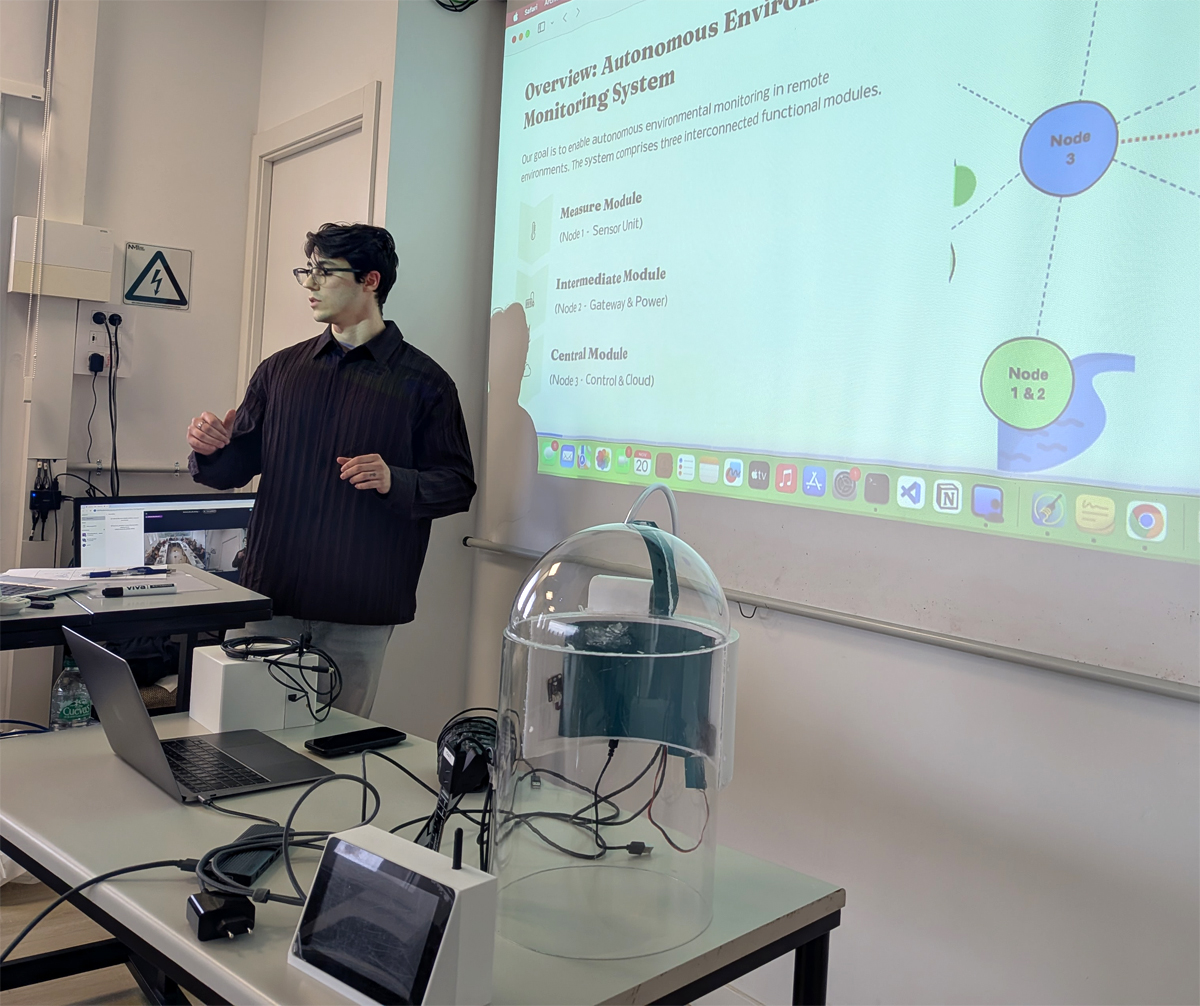
A new prototype of an automated measurement chamber and data acquisition system, developed at UPC for SERVICO2, was demonstrated by UPC engineers. Following the demonstration, the consortium agreed to establish a working group comprising researchers from all partner institutions to coordinate further improvements to the design. Production logistics for the measurement nodes were discussed, and an initial plan for design distribution and decentralised node production was established.
Discussions were also held on the datasets to be collected across study sites, with the aim of harmonising measurements among countries and developing a shared understanding of the data requirements for SERVICO2. Consortium members presented their respective study sites and their unique characteristics, addressing potential challenges associated with deploying a coordinated measurement network. These presentations also highlighted the possible need to adjust the spatial scale of certain sites to ensure cross-country comparability.
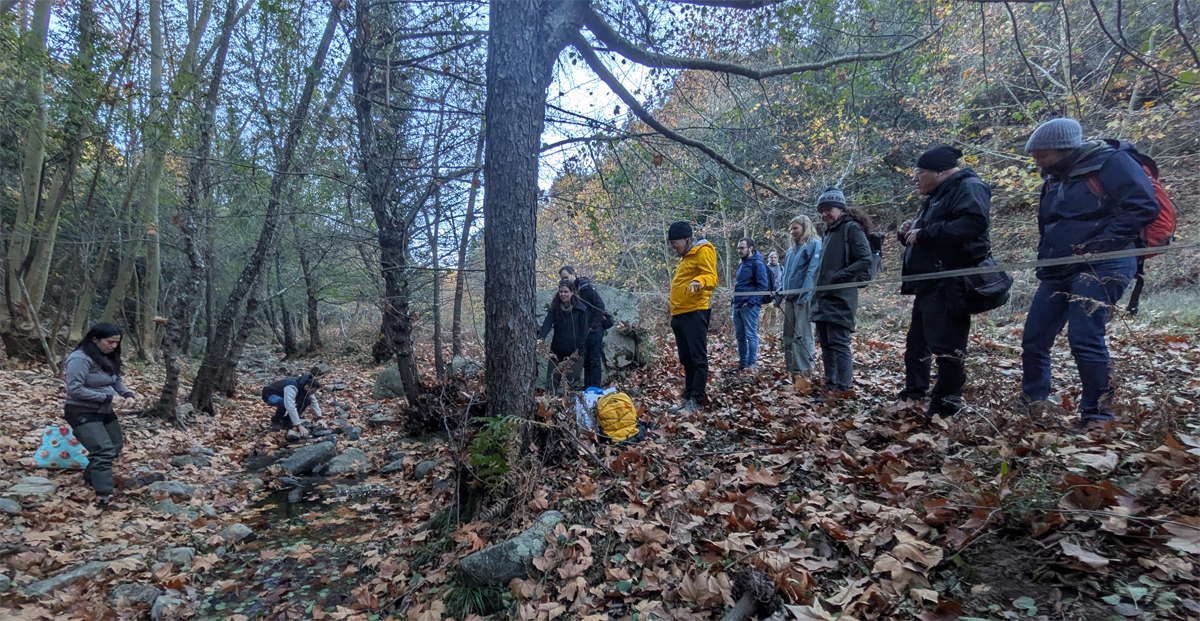
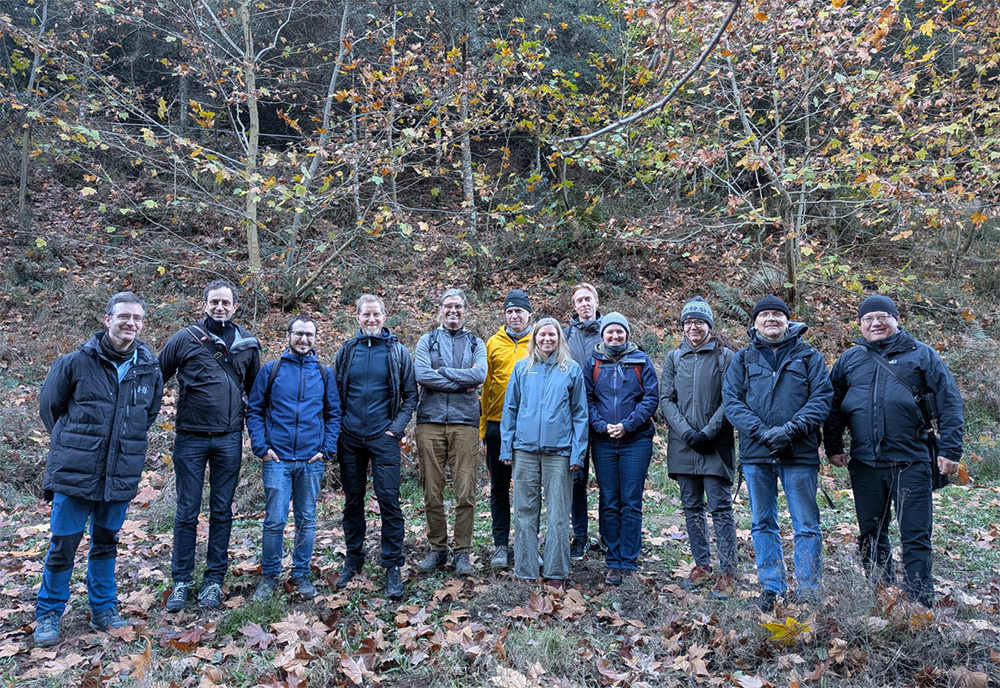
The meeting concluded with a visit to the Fuirosos study catchment, which illustrated the diversity of biomes to be investigated within SERVICO2 and provided a welcome opportunity for field-based discussion after two intensive days of presentations and collaborative work. During the visit, CEAB researchers Anna Lupon, Xavi Peñaroya, and Carolina Jativa demonstrated ongoing measurements of stream metabolism and water quality.
Posted by Juuso Pelkonen, 20 Dec 2025